Post view
NEW INNOVATIONS IN STEM CELL RESEARCH
The basics first:
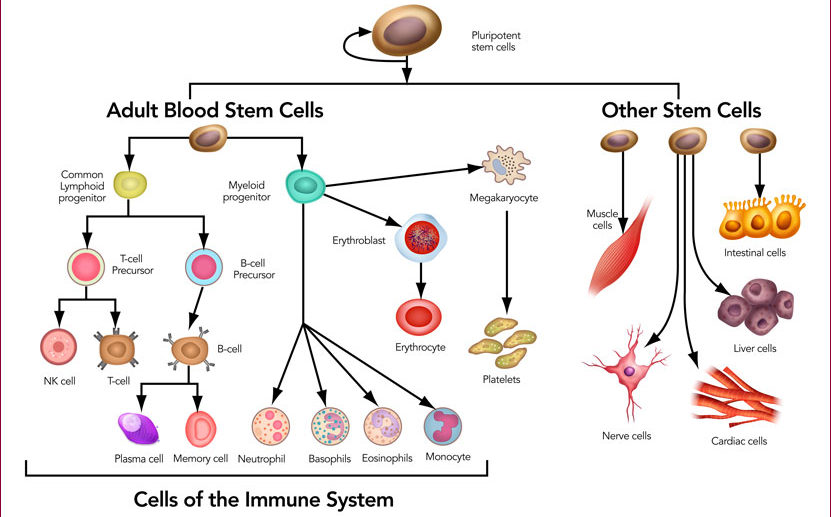
Stem cells are the body's primary raw materials—unspecialized cells that serve as the foundation for all other tissues, organs, and cells. They are defined by their unique ability to divide indefinitely (self-renew) and transform into specialized cell types, such as muscle, nerve, or blood cells.
The Core Properties
All stem cells are characterized by two distinct capabilities:
- Self-Renewal: They can divide and replicate themselves over long periods, maintaining the stem cell pool.
- Differentiation: They can adapt into specific, functional cells needed to repair and maintain the body.
The Main Types
Stem cells are classified based on where they come from and their potential to differentiate:
- Tissue (Adult) Stem Cells: Found in specific organs and tissues (like bone marrow). They are partially specialized and generally only regenerate cells for the specific tissue they reside in.
- Embryonic Stem Cells: Extracted from early-stage embryos. They are pluripotent, meaning they have the flexibility to develop into almost any cell in the human body.
- Induced Pluripotent Stem Cells (iPSCs): Mature, specialized cells (like skin cells) that have been reprogrammed in a lab to become pluripotent, allowing them to act like embryonic stem cells without using embryos.
Medical Applications
Because of their regenerative nature, stem cells are central to cutting-edge medicine and therapy.
Current Treatments: The most established therapy is the hematopoietic stem cell transplant (bone marrow transplant), heavily used in Australia and globally to treat blood cancers like leukemia and lymphoma.
Ongoing Research: Scientists study stem cells to better understand diseases, test new drugs, and develop regenerative therapies for conditions such as Parkinson's disease, multiple sclerosis, and type 1 diabetes.
New Research
Recent stem cell research focuses on engineering immune cells and treating degenerative diseases. Scientists are now able to reliably manufacture lab-grown helper T cells and use stem cell-derived dopaminergic neurons to manage Parkinson's symptoms, unlocking new pathways for off-the-shelf "living drugs" and regenerative therapies.
Notable advancements include:
- Lab-Grown Helper T Cells: Researchers successfully generated human helper T cells from stem cells. This resolves a major hurdle in bioengineering, allowing for the creation of off-the-shelf immunotherapies (like CAR-T) for cancer and autoimmune disorders.
-
Parkinson’s Disease Progress: Early-stage clinical trials using stem cell-derived progenitor cells transplanted into patients' brains showed significant improvements in movement symptoms and marked increases in dopamine activity,
- Bone & Tissue Regeneration: Scientists identified biological switches that use physical activity proteins to push bone marrow stem cells to build bone rather than store fat, while bioengineered organ-crosstalk platforms are providing new models to study heart-kidney failure.
- Inflammatory Memory in Blood Cells: Research shows blood stem cells store an "inflammatory memory" that can influence future immune responses and increase cancer risk with age.