
SPELEOLOGY
Post view
SPELEOLOGY
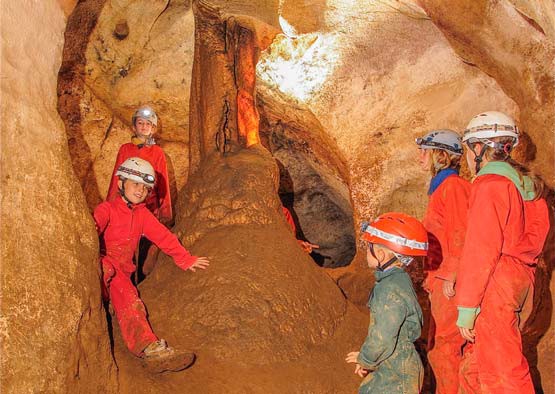
Speleology (or SPELUNKING for Canadians and Americans) is the scientific study of caves, karst features (such as stalagmites, stalagtites, sinks etc), and underground ecosystems. While "speleology" focuses on the academic and geological research, the recreational exploration of these subterranean environments is more commonly referred to as caving or spelunking.
Science & Ecology
Speleology is a multidisciplinary field that combines geology, hydrology, biology, and paleoclimatology. Key areas of study include:
-
- Speleogenesis & Speleomorphology: How caves form and how their physical structures evolve over millions of years.
- Paleoclimatology: Analyzing ancient climates by studying the growth rings and chemical makeup of stalactites and stalagmites.
Recreational Caving
If you are looking to physically explore and map underground systems, there are highly active organizations in the Sydney region that welcome beginners:
- Sydney University Speleological Society (SUSS): Caters to all experience levels, offers equipment loans, and hosts regular weekend trips and climbing events.
- Sydney Speleological Society: Provides safety training, technical education, and guided access to non-tourist cave formations.
- Illawarra Speleological Society: A family-oriented club with members spanning from Sydney down to Wollongong, offering regular camping and exploration trips
Industry & Conservation
Researchers, environmental managers, and government geologists utilize speleology to track groundwater flows, protect fragile cave ecosystems, and manage cultural artifacts found in subterranean sites. National efforts and conservation are primarily overseen by the Australian Speleological Federation (ASF), which represents local caving clubs across the country.
Karst is a unique landscape formed when slightly acidic groundwater dissolves soluble bedrock—like limestone, dolomite, or marble—over thousands of years. This process creates highly distinctive surface and underground features.
Key Characteristics
- Surface Features: Features include sinkholes (depressions from collapsed underground ceilings), sinking streams (waterways that vanish underground), and rocky, fluted limestone pavements.
- Underground Features: Complex drainage networks create intricate cave systems, often featuring stalactites and stalagmites formed by mineral deposits.
- Aquifers: Karst aquifers hold immense volumes of groundwater, though water travels rapidly through them with little natural filtration.
Notable Examples
Karst topography covers roughly 20% of the Earth's land surface. Some globally famous regions include:
- The Jenolan Caves: Located in the Blue Mountains just west of Sydney, these are the oldest open caves in the world and a premier example of Australian karst. The most gorgeous cave system in my opinion. Will do a feature on this system later. Keep watching.)
- The Nullarbor Plain: A massive limestone karst plain stretching across Southern Australia.
- Global Hotspots: The Yucatan Peninsula (Mexico), Guilin (China), and the original "Kras" plateau in Slovenia, which gave the landscape its name.
Environmental Impact
Because karst is highly porous ("Swiss cheese-like"), contaminants on the surface can quickly enter the groundwater supply, making these areas highly vulnerable to pollution.


